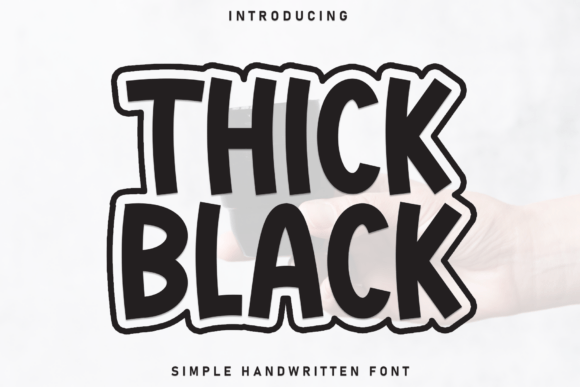
Thick Black: A Strategic Choice for Bold Visual Communication
When it comes to making an immediate visual impact, Thick Black stands out as a font that commands attention without sacrificing clarity. Its thick strokes and cartoon-style outlines create a strong, playful presence that resonates particularly well in design contexts where energy and memorability are key. Whether used for headers, merchandise, or educational materials, Thick Black offers a distinctive aesthetic that, when applied thoughtfully, can support broader communication and branding strategies.
Understanding the Strategic Value of Thick Black
At its core, Thick Black is more than just a bold, hand-drawn typeface — it's a design tool that conveys confidence and approachability. Its visual weight makes it ideal for grabbing attention, while its friendly contours keep it from feeling overly aggressive. This balance is particularly useful for brands targeting younger audiences or those aiming to inject humor and warmth into their messaging.
From a strategic perspective, the font supports visual consistency when used in targeted applications such as product packaging, promotional graphics, or themed content. It’s not just about aesthetics; it's about how those aesthetics align with your brand’s tone and the emotional response you want to elicit from your audience.
How Thick Black Supports Communication and Branding Goals
When integrated into a broader design system, Thick Black can reinforce a brand’s personality. For example, an educational platform targeting children might use the font in interactive learning materials to create a sense of playfulness and engagement. Similarly, a lifestyle brand launching a limited-edition product line could leverage the font on stickers or packaging to generate excitement and visual continuity.
- Supports a youthful, energetic brand tone
- Enhances memorability through distinctive visual presence
- Works well in both print and digital formats
- Helps differentiate your content in a crowded visual landscape
The font’s simplicity also contributes to readability, making it a practical choice when clarity is as important as character. However, this strength becomes a liability if used in contexts that require a more formal or subdued tone — a consideration we’ll explore further.
When to Use Thick Black — and When to Step Back
Like any design element, Thick Black is most effective when used with intention. It shines in applications where boldness and friendliness are assets — such as social media posts, event flyers, or branded merchandise. However, overuse or misuse can dilute its impact and create misalignment with your brand’s messaging.
Consider the following use cases where Thick Black adds strategic value:
- Children’s Products and Educational Content: The font’s cartoon-like appearance makes it ideal for materials aimed at younger audiences or learning-focused designs.
- Promotional Graphics: Whether for digital ads or physical signage, the font’s high contrast and bold lines ensure visibility and readability at a glance.
- Branded Merchandise: T-shirts, stickers, and tote bags benefit from the font’s strong visual identity, reinforcing brand recognition in everyday contexts.
- Playful Branding Campaigns: When launching a campaign with a humorous or lighthearted tone, Thick Black can visually echo that sentiment.
Conversely, avoid using Thick Black in formal reports, legal documents, or corporate presentations where clarity and professionalism are the priority. The font’s informal character can unintentionally undermine the seriousness of such content.
Planning for Effective Implementation
Before incorporating Thick Black into your design toolkit, it’s essential to align its use with your broader communication goals. Ask yourself:
- Does this font reflect the tone and personality of my brand?
- Is the intended audience likely to respond positively to this style?
- Will the font enhance readability and visual appeal in the context where it’s used?
- Am I balancing its use with other typefaces to maintain hierarchy and design cohesion?
For example, a startup launching a new app for creative kids might use Thick Black prominently in its marketing materials and app interface headers. However, they would likely pair it with a clean sans-serif for body text to ensure legibility and maintain a professional balance.
Avoiding Common Pitfalls: Using Thick Black with Purpose
One of the biggest risks in using Thick Black — or any attention-grabbing font — is relying on it without a clear strategic rationale. Design choices that feel random or inconsistent can confuse your audience and weaken brand perception. Instead, treat the font as a deliberate part of your visual language, not just a stylistic flourish.
Consider these strategic missteps to avoid:
- Overuse: Applying Thick Black across all design elements can make your content feel cluttered and unprofessional.
- Misalignment: Using the font in a context that doesn’t match your brand’s voice can create dissonance between your messaging and visual identity.
- Lack of Contrast: Without pairing it with complementary fonts, Thick Black can dominate the visual space and reduce readability in multi-layered designs.
Instead, treat the font as a highlight — a tool to draw attention to key messages, not a default for all text. This approach ensures it retains its impact and supports your overall communication strategy.
Maximizing Long-Term Value Through Intentional Design
Design is not just about aesthetics; it’s about how your choices contribute to long-term brand equity and audience engagement. When used strategically, Thick Black can become a recognizable part of your visual identity, reinforcing your brand’s personality across touchpoints.
To ensure sustainable use:
- Establish clear design guidelines: Define when and how Thick Black should be used within your brand assets.
- Test across platforms: Make sure the font renders well on different screens and print formats to maintain consistency.
- Evaluate over time: Periodically assess whether the font still aligns with your brand’s evolving tone and audience expectations.
- Balance with flexibility: Don’t let a single font limit your creative options — use it as one of several tools in your design strategy.
By approaching Thick Black as a strategic asset rather than a passing trend, you position your brand to make more informed, intentional design decisions that support both short-term engagement and long-term recognition.
Conclusion: Using Thick Black with Strategic Clarity
In the right context, Thick Black is more than a font — it’s a communication tool that amplifies your message with clarity and character. Whether you’re designing for a children’s brand, launching a playful marketing campaign, or creating engaging educational content, the font offers a powerful way to connect with your audience visually.
But its strength lies in how you use it. By aligning its application with your brand’s goals, understanding your audience’s expectations, and planning for consistency, you can ensure that Thick Black enhances your design strategy rather than distracts from it. In a world where visual clarity and brand recognition matter more than ever, thoughtful typography is a decision worth making.