Retro Jingle: A Strategic Design Choice for Nostalgic Branding and Creative Expression
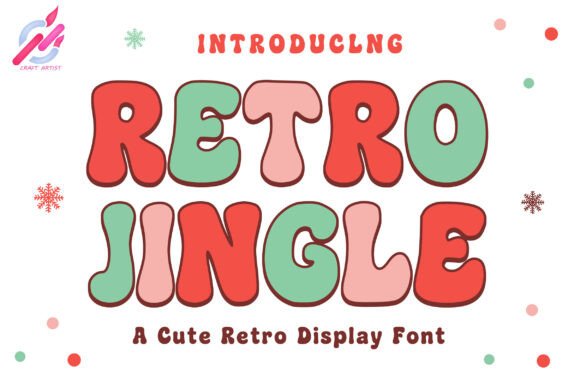
In today's competitive creative landscape, standing out often means tapping into emotional resonance and cultural familiarity. Retro Jingle offers a unique opportunity to do just that. As a vibrant, curvy display font with smooth lines and unmistakable '70s flair, Retro Jingle brings more than just visual appeal—it introduces a strategic layer of nostalgia, personality, and recognizability to design projects.
Unlike generic fonts that blend into the background, Retro Jingle commands attention. Its lively, rhythmic structure makes it ideal for brands and creators looking to evoke a sense of fun and authenticity. Whether used in logo design, merchandise, or social media visuals, this typeface transforms static text into a dynamic storytelling element.
Why Retro Jingle Matters in Strategic Design
Typography is more than aesthetics—it's a communication tool. The right font can shape perception, influence mood, and reinforce brand identity. Retro Jingle does this by tapping into a shared cultural memory of the 1970s, a decade associated with bold self-expression and creative freedom.
For entrepreneurs and marketers, this font can be a subtle but effective way to align a brand with values like creativity, energy, and playfulness. It's especially useful for businesses in lifestyle, entertainment, fashion, and niche product markets where emotional connection drives engagement and loyalty.
Creators and educators can also benefit from Retro Jingle’s energetic tone. Whether designing course materials, event posters, or branded merchandise, this font adds a layer of warmth and approachability that can enhance audience receptiveness.
When and How to Use Retro Jingle Intentionally
While Retro Jingle is visually striking, its use should be deliberate. It works best in contexts where the goal is to create a memorable impression rather than convey formal professionalism. Consider the following use cases:
- Logo design: For brands that want to project a vintage or playful identity.
- Merchandise: T-shirts, mugs, and stickers benefit from its bold, eye-catching style.
- Social media graphics: Adds a lively visual rhythm to posts and stories.
- Event posters: Especially effective for music festivals, retro-themed events, or community gatherings.
When integrating Retro Jingle into a design system, pair it with simpler fonts to maintain readability and visual balance. Avoid overuse—let it serve as a highlight rather than a default. This ensures the font remains impactful without overwhelming the design.
Planning for Long-Term Brand Consistency
Using Retro Jingle effectively requires more than aesthetic appreciation—it demands strategic planning. Brands that incorporate this font should consider how it aligns with their long-term identity and messaging goals. A retro aesthetic may resonate today, but will it still feel relevant in three to five years?
Consider the following when evaluating Retro Jingle for brand use:
- Target audience: Does your audience connect with retro culture or appreciate nostalgic design cues?
- Brand voice: Is your messaging playful, energetic, or community-oriented?
- Visual ecosystem: How does Retro Jingle fit with your color palette, imagery, and layout style?
- Scalability: Will the font remain legible across different mediums and sizes?
By answering these questions early, you ensure that Retro Jingle enhances your brand rather than limits it. A thoughtful approach prevents the need for costly redesigns later and strengthens brand recognition over time.
Strategic Risks of Random or Misaligned Use
Typography should support your message, not distract from it. Using Retro Jingle without a clear strategic purpose can lead to inconsistent branding, reduced readability, or a mismatch between tone and audience expectations.
For example, a law firm using Retro Jingle in its branding might confuse potential clients by projecting a playful tone where professionalism is expected. Similarly, using the font across too many design elements can dilute its impact and make layouts appear cluttered.
To avoid these pitfalls, treat Retro Jingle as a design accent rather than a default. Use it where it adds emotional value and clarity—such as headlines, logos, or promotional graphics—while relying on more neutral fonts for body text and functional content.
Maximizing Creative Productivity with Retro Jingle
Designers and content creators can use Retro Jingle to streamline their creative process. When a font already carries a distinct personality, it reduces the need for excessive visual elements to convey tone. This can speed up decision-making and reduce design fatigue.
Additionally, Retro Jingle’s nostalgic appeal can inspire creative direction. It can serve as a visual anchor that informs color choices, illustration styles, and layout composition. By aligning other design elements with the font’s character, creators can maintain a cohesive and intentional aesthetic without overthinking every detail.
For educators and marketers, this can translate into more engaging presentations, promotional materials, and digital assets that capture attention and communicate ideas more effectively.
Learning from Real-World Applications
Observing how others have used Retro Jingle can provide valuable insights. For instance, a boutique coffee shop might use the font in its logo and menu boards to evoke a warm, vintage café vibe. A podcast focused on music history could incorporate Retro Jingle into its social media visuals to reinforce its nostalgic theme.
In both cases, the font supports the brand’s storytelling by aligning with the audience’s emotional expectations. These real-world examples highlight the importance of context and consistency when integrating Retro Jingle into a broader visual strategy.
By studying successful implementations, designers and brand strategists can better understand how to leverage Retro Jingle for their own projects—ensuring it enhances rather than complicates their creative goals.
Conclusion: Using Retro Jingle with Purpose
Retro Jingle is more than a stylish font—it’s a tool for strategic expression. When used thoughtfully, it can elevate brand identity, enhance creative output, and deepen audience connection. But like any design element, its power lies in how intentionally it’s applied.
Before incorporating Retro Jingle into your next project, ask yourself: Does this font support my message? Does it align with my brand’s tone and audience? Am I using it in a way that enhances clarity and engagement?
By answering these questions honestly, you position Retro Jingle as a meaningful part of your design toolkit—transforming it from a passing aesthetic choice into a lasting strategic asset.