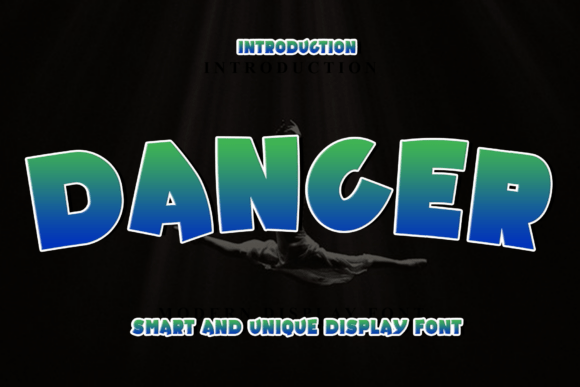
Dancer: A Strategic Choice for Creative Typography
Typography plays a crucial role in shaping how audiences perceive and engage with content. The right font doesn't just convey information—it communicates tone, personality, and intention. Dancer stands out as a versatile, expressive font that blends warmth with creativity, making it an ideal choice for those who want to connect with their audience on a more personal level. Unlike rigid, impersonal typefaces, Dancer's rounded, playful strokes invite interaction and foster a sense of approachability.
Whether you're designing a brand identity, crafting a social media campaign, or preparing a personal project, the visual language you choose influences how your message is received. Dancer’s hand-drawn aesthetic brings a sense of authenticity and charm that resonates particularly well in creative and community-driven contexts. It's not just a font—it's a strategic tool that, when used intentionally, can support your broader communication and branding goals.
Understanding the Strategic Value of Dancer
At its core, Dancer is more than a casual font—it's a design element that can shape perception and enhance user experience. Its soft curves and organic feel create a visual rhythm that feels less formal and more engaging. This makes it especially effective in contexts where warmth and friendliness are key, such as:
- Event invitations and announcements
- Personal blogs and lifestyle content
- Branding for small businesses and creative entrepreneurs
- Social media graphics and marketing collateral
By aligning your typographic choices with your brand voice and audience expectations, you create a more cohesive and memorable experience. Dancer allows you to do this with a sense of playfulness that doesn’t sacrifice professionalism when applied thoughtfully.
How to Use Dancer with Purpose
While Dancer’s charm is undeniable, it's important to use it with intention rather than as a default option. Strategic font use means considering how each typographic decision supports your broader goals. Here are a few practical considerations:
- Define your objective – Are you aiming to evoke nostalgia, create a sense of intimacy, or stand out with a unique style? Knowing your goal helps determine whether Dancer is the right fit.
- Consider context – Dancer works best in informal or semi-formal settings. Avoid using it in highly technical or corporate environments where clarity and neutrality are more appropriate.
- Balance with other design elements – Pair Dancer with clean, structured fonts to maintain visual hierarchy and readability. This contrast ensures your message remains clear while still benefiting from Dancer’s expressive qualities.
When used with these principles in mind, Dancer enhances your design rather than overwhelming it. Think of it as a supporting actor in your visual storytelling—present, impactful, but never upstaging the main message.
Planning Your Typography Strategy with Dancer
Incorporating Dancer into your design workflow requires more than just installing a new font. It should be part of a broader typographic strategy that aligns with your brand identity and communication goals. Here’s how to approach it:
- Start with your brand personality – If your brand leans toward the playful, personal, or artistic, Dancer can serve as a signature element that reinforces your tone.
- Test readability across platforms – Ensure Dancer displays well on different devices and design applications. Its PUA-encoded glyphs make it compatible with tools like Adobe Photoshop, Illustrator, Canva, and Corel, allowing for consistent use across platforms.
- Create a visual system – Use Dancer for headlines or accents rather than long-form text. This preserves its charm while maintaining usability and legibility.
By integrating Dancer into a well-structured design system, you ensure that your typographic choices support both aesthetics and function, enhancing rather than complicating your message.
When to Avoid Dancer—and Why
Despite its many strengths, Dancer isn’t a one-size-fits-all solution. There are scenarios where its casual, whimsical nature may not serve your purpose effectively. For instance:
- Formal business communications – Contracts, legal documents, or corporate reports typically require more structured, neutral fonts.
- High-volume text – Dancer’s stylized forms can become difficult to read in long paragraphs or small sizes.
- Technical or data-driven content – In reports, charts, or instructional materials, clarity and precision are more important than personality.
Using Dancer without considering these factors can lead to misalignment between your message and its delivery. Strategic typography is about choosing the right tool for the right job—and knowing when to step back.
Maximizing Long-Term Brand Consistency
Consistency is a cornerstone of strong branding. If you decide to use Dancer as part of your visual identity, it’s important to document its usage in your brand guidelines. This ensures that all team members and collaborators apply it consistently across different materials and platforms.
Consider creating a typographic framework that outlines when and how Dancer should be used. For example:
- Use Dancer for event titles and promotional headers
- Pair it with a sans-serif font like Open Sans or Montserrat for body text
- Maintain spacing and sizing rules to preserve visual harmony
This level of intentionality helps reinforce your brand’s visual identity while preserving the font’s expressive power over time.
Real-World Applications and Outcomes
Let’s look at a few real-world scenarios where Dancer can make a meaningful difference:
- Wedding invitations – Dancer adds a personal, romantic touch that complements floral motifs and soft color palettes.
- Children’s book illustrations – Its rounded forms and playful character make it ideal for engaging young readers.
- Small business branding – Independent cafes, boutique shops, and artisan brands can use Dancer to reflect their warm, community-oriented values.
- Social media content – From Instagram stories to Pinterest graphics, Dancer brings a sense of authenticity and creativity to visual posts.
In each of these cases, Dancer isn’t just adding decoration—it’s enhancing the emotional resonance of the content. When your typography aligns with your message, your audience is more likely to connect with what you're saying.
Conclusion: Typography as a Strategic Asset
Fonts like Dancer remind us that typography is more than just a design choice—it's a strategic asset that influences perception, engagement, and brand recognition. When used with intention, Dancer brings warmth, creativity, and a sense of humanity to your visual communication.
As you plan your next design project, ask yourself not just what looks good, but what supports your goals. Whether you're crafting a personal brand, launching a creative campaign, or building a visual identity, Dancer offers a compelling way to differentiate yourself and connect more meaningfully with your audience. The key is to use it wisely, thoughtfully, and with a clear sense of purpose.