Spinet: A Vintage-Inspired Serif Font for Modern Design
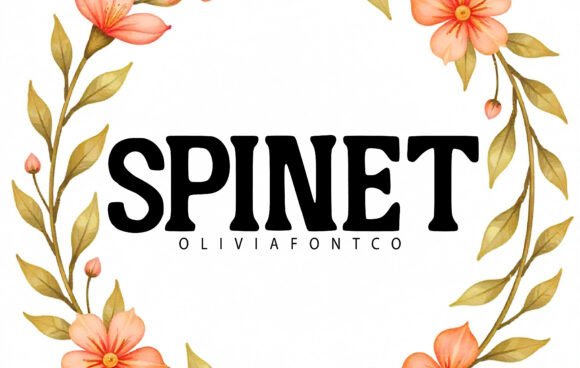
Spinet is more than just a typeface — it's a design tool that brings a touch of elegance and retro charm to contemporary projects. Whether you're crafting a logo, designing a book cover, or developing a brand identity, Spinet offers a refined aesthetic that stands out without feeling outdated. Its unique blend of strong vertical strokes and softly rounded edges makes it versatile enough for a wide range of applications while maintaining a distinct personality.
At its core, Spinet bridges the gap between old-world craftsmanship and modern minimalism. It doesn't just evoke nostalgia — it integrates it into a clean, structured design language that feels both familiar and fresh. This duality is what makes Spinet a valuable asset in today's design landscape, where audiences respond to authenticity and visual clarity.
Key Characteristics of Spinet
What sets Spinet apart from other serif fonts is its thoughtful balance of structure and warmth. It features:
- Strong vertical emphasis that adds clarity and presence, especially at larger sizes
- Soft, rounded edges that introduce a human, approachable quality
- Well-balanced proportions that enhance readability and visual harmony
- Clean curves that maintain sophistication without feeling overly formal
These design choices make Spinet ideal for situations where you want to communicate authority and elegance, but without the coldness that some traditional serif fonts can carry. It's a typeface that feels intentional, yet accessible — a rare combination in today's crowded typographic landscape.
Why Spinet Works Across So Many Applications
Spinet’s versatility is one of its greatest strengths. It performs exceptionally well in both print and digital environments, adapting easily to different contexts. Here are a few areas where Spinet shines:
- Branding and Identity Design — Whether you're designing a logo for a boutique, a coffee shop, or a luxury skincare brand, Spinet adds a layer of sophistication that feels both curated and authentic.
- Editorial and Publishing — From magazine headlines to book covers, Spinet brings editorial projects a timeless quality that appeals to readers across generations.
- Marketing and Packaging — Its vintage-inspired look makes it a natural fit for product packaging, especially in industries like craft beverages, artisanal food, and lifestyle goods.
- Web and UI Design — When used sparingly in web headers or app interfaces, Spinet adds visual interest without compromising legibility or performance.
Designers who work across multiple platforms will appreciate how Spinet maintains its character regardless of medium. It’s not a one-trick font — it’s adaptable, expressive, and built to perform in real-world design scenarios.
Real-World Examples and Use Cases
Let’s look at a few practical ways Spinet can elevate your next project:
- Retro-Style Posters — Whether you're designing a concert poster or a vintage travel ad, Spinet’s structured curves and clean lines bring a polished, nostalgic feel without looking dated.
- Boutique Branding — Independent retailers, cafes, and specialty shops often want to feel personal and curated. Spinet helps communicate that warmth while maintaining a professional edge.
- Elegant Signage — From hotel lobbies to upscale restaurants, Spinet works well in signage design where legibility and style are equally important.
- Editorial Layouts — For designers working on print or digital magazines, Spinet makes for a strong, expressive headline font that guides the reader’s eye without overwhelming the layout.
These examples illustrate how Spinet isn't just a decorative choice — it's a functional one. It supports the message, enhances the visual hierarchy, and contributes to a cohesive brand experience.
Choosing and Using Spinet Effectively
While Spinet is a powerful design tool, it's most effective when used thoughtfully. Here are a few practical considerations when working with Spinet:
- Pair it wisely — Because of its strong personality, Spinet pairs best with neutral sans-serif fonts that let it shine without competing for attention. Try using it with a clean, modern sans like Helvetica or a warm, organic typeface like Avenir.
- Use at appropriate sizes — Spinet is a display font, which means it's best suited for headlines, logos, and short text blocks. Avoid using it for long-form body copy where readability could be compromised.
- Test across platforms — Before locking in Spinet for a web or app project, make sure it renders well across different devices and screen resolutions. Some of its finer details may not hold up on lower-resolution displays.
- Consider licensing — Like all professional typefaces, Spinet may require a specific license depending on how and where you're using it. Always verify usage rights before deploying it in commercial work.
By taking these factors into account, you'll ensure that Spinet enhances your design rather than complicates it. It should support your message, not distract from it — and that’s where its real value lies.
Final Thoughts
Spinet is a typeface that understands the balance between past and present. It’s bold yet refined, nostalgic yet modern, and expressive without being overwhelming. Whether you're a professional designer, a small business owner, or a creative hobbyist, Spinet offers a level of polish and personality that can elevate your visual communication.
In a world where so many fonts compete for attention, Spinet stands out by offering something timeless — a font that doesn't just look good, but feels right. When used with intention, it can help you create designs that are not only visually striking, but also emotionally resonant and functionally effective.