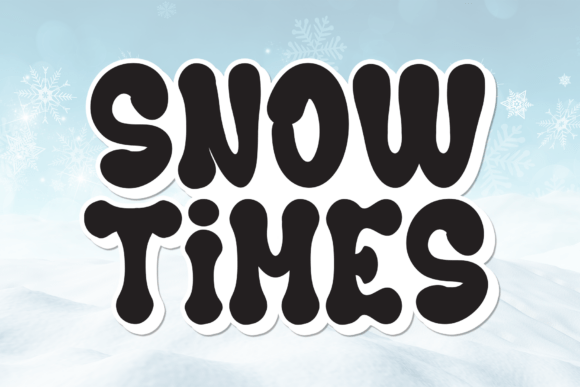
Snow Times: A Versatile Font for Modern Creative Workflows
When selecting a font for a design project, clarity, personality, and adaptability are key considerations. Snow Times stands out as a casual display font that balances modern simplicity with a playful, approachable aesthetic. Its clean shapes, soft edges, and well-balanced letterforms make it a versatile choice across a variety of creative and professional applications.
Understanding Snow Times in the Design Ecosystem
Snow Times fits naturally into the broader landscape of design resources by offering a unique blend of readability and charm. Unlike rigid, formal typefaces, it introduces a relaxed tone without sacrificing legibility. This makes it especially useful in contexts where a friendly, approachable tone is desired—such as branding for lifestyle brands, social media content, or packaging for consumer products.
Designers often seek fonts that can serve multiple roles while maintaining visual consistency. Snow Times performs well in this regard, acting as a primary typeface for headlines and promotional materials while also supporting secondary roles in captions or supporting graphics.
Using Snow Times Throughout the Creative Process
Incorporating Snow Times into a creative workflow can be done at various stages—before, during, and after a project. Early on, it can help establish a visual tone during moodboarding or concept development. During execution, it integrates smoothly into design tools like Adobe Illustrator, Figma, or Canva, allowing for real-time adjustments to layout and composition.
After a project is completed, Snow Times can support follow-up materials such as social media posts, email banners, or print handouts. Its adaptability ensures that the visual identity remains cohesive across different formats and platforms.
Before the Project: Setting the Tone
Font selection is often one of the first decisions in a design process. Choosing Snow Times early can help define the project’s personality. For instance, a small business launching a new line of organic snacks might use Snow Times in early mockups to convey a natural, friendly brand image.
During this phase, it’s helpful to test Snow Times across different color palettes and layouts to see how its soft edges and open forms interact with other design elements. Previewing it in various contexts—such as on mobile screens or printed materials—can prevent readability issues later.
During the Project: Integration and Execution
Once the font is selected, integrating Snow Times into the design process is straightforward. Most modern design platforms support custom font imports, either through built-in libraries or by uploading the font file directly.
- Ensure Snow Times is properly licensed for the intended use, especially for commercial projects.
- Organize font files within your project folder for easy access and version control.
- Use consistent naming conventions when applying Snow Times to layers or text styles to streamline collaboration.
Designers working in teams should also consider creating shared style guides or design systems that include Snow Times as a standard option for specific use cases—like headlines, callouts, or logo treatments.
After the Project: Maintaining Consistency
Post-launch, Snow Times can continue to play a role in supporting marketing efforts, social media content, and ongoing brand materials. Maintaining consistency in font usage ensures that visual identity remains strong across all customer touchpoints.
For long-term use, it’s helpful to archive design files with embedded fonts or include notes on where to download or license Snow Times again if needed. This is especially important for businesses or creators who may revisit projects months or years later.
How Snow Times Works with Other Tools and Resources
One of the strengths of Snow Times is its compatibility with a wide range of design tools and platforms. Whether you're using Figma for UI design, Illustrator for vector graphics, or Canva for quick social media posts, Snow Times integrates seamlessly.
It also pairs well with other fonts and visual elements. For example:
- Pairing with a clean sans-serif like Helvetica or Open Sans for body text ensures readability while allowing Snow Times to stand out as a display font.
- Combining with soft textures or pastel backgrounds enhances its playful character.
- Using it alongside bold geometric shapes or minimalist icons creates a balanced visual hierarchy.
From a technical standpoint, Snow Times is typically available in standard formats like .ttf and .otf, making it compatible with both desktop and web applications. For web use, it can be embedded via CSS or linked through font hosting services like Google Fonts or Adobe Fonts, depending on licensing terms.
Practical Implementation Tips
To get the most out of Snow Times, consider these practical implementation strategies:
- Test in context: Always preview Snow Times in the actual environment where it will be used—whether that’s on a printed poster, a mobile screen, or a website banner.
- Adjust spacing: Due to its rounded edges and open letterforms, Snow Times may benefit from slightly tighter tracking or kerning in certain applications to maintain visual density.
- Use for emphasis: While it’s readable at larger sizes, avoid using Snow Times for long paragraphs or small text where clarity might be compromised.
- Align with brand voice: If your brand voice is professional and formal, Snow Times may not be the best fit. However, for brands that aim to feel approachable, creative, or youthful, it’s an excellent match.
For marketers and small business owners, Snow Times can be particularly useful in crafting engaging visual content for platforms like Instagram, Pinterest, or TikTok. Its friendly appearance helps content stand out while maintaining a polished look.
Long-Term Use and Workflow Efficiency
Integrating Snow Times into your regular design toolkit can enhance workflow efficiency over time. Once you understand how it behaves across different mediums and design systems, you can use it more confidently and consistently.
For educators or content creators, Snow Times can help make learning materials or digital courses feel more approachable. Using it in slide decks, infographics, or downloadable worksheets can improve engagement without distracting from the core message.
Freelancers and agencies can also benefit by including Snow Times in client brand kits, especially for brands targeting younger audiences or those in lifestyle, wellness, or creative industries.
Conclusion: A Thoughtful Addition to Any Creative Workflow
Snow Times is more than just a visually appealing font—it’s a functional tool that enhances communication, supports branding efforts, and adapts to a variety of creative workflows. Whether you're designing a logo, crafting a social media post, or developing marketing materials, Snow Times offers a blend of personality and performance that makes it a valuable asset.
By understanding how it fits into the planning, execution, and maintenance phases of a project, professionals across industries can make the most of its design qualities while ensuring long-term consistency and usability. As with any design element, thoughtful implementation and context-aware use are key to unlocking its full potential.