Redrun: A Strategic Font Duo for Modern Design and Brand Communication
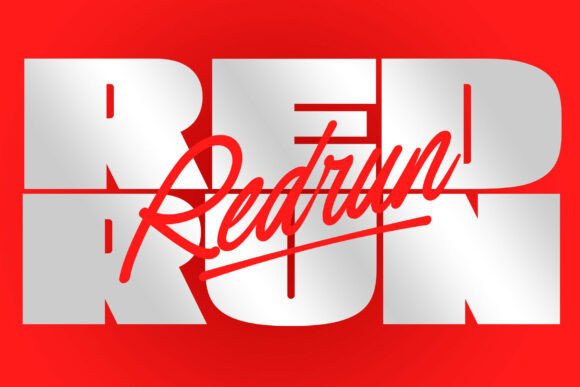
Redrun is more than a typeface—it's a design decision that can influence perception, reinforce messaging, and enhance visual identity. This font duo combines a bold display style with a modern handwritten script, creating a balance between strength and personality. Whether you're building a brand, launching a product, or designing marketing materials, Redrun offers a clean, intentional aesthetic that supports both clarity and emotional resonance.
Why Redrun Matters in Design Strategy
Typography plays a critical role in how audiences interpret visual content. Redrun's bold display font delivers presence and confidence, making it ideal for headlines, logos, and branding elements that need to stand out. Meanwhile, the accompanying script adds a human touch—bringing warmth, energy, and individuality to the design. This combination allows for visual hierarchy without sacrificing coherence, making Redrun a versatile tool for designers and communicators alike.
Supporting Brand Identity with Purposeful Typography
In branding, consistency and clarity are key. Redrun enables brands to maintain a strong visual presence while still conveying approachability. The bold font can be used for primary brand elements like logos and headlines, while the script can serve as a complementary typeface for taglines, subheadings, or accent text. When used intentionally, Redrun supports brand recognition and helps differentiate a business in a visually saturated market.
When and How to Use Redrun Effectively
Redrun excels in applications where visual impact and readability must coexist. It works well in logo design, social media graphics, packaging, editorial layouts, and advertising materials. However, its effectiveness depends on how it's implemented. Strategic use of Redrun involves aligning its visual tone with the brand’s personality and the message being communicated.
- Logo design: Use the bold display font as the primary brand name and the script for a tagline or secondary identifier.
- Product packaging: Combine both fonts to create contrast between product name and descriptive text.
- Digital ads: Leverage Redrun’s bold presence to capture attention quickly while using the script to add a personal tone.
Planning for Long-Term Design Consistency
Before incorporating Redrun into a design system, consider how it aligns with long-term brand strategy. Typography should remain consistent across touchpoints to build recognition and trust. Redrun’s flexibility makes it suitable for both print and digital media, but consistency in spacing, color treatment, and application context is essential. Establishing typographic guidelines ensures that the font continues to serve its intended purpose across evolving campaigns and platforms.
Redrun and Visual Communication: Making Intentional Choices
Using Redrun without a clear design strategy can lead to inconsistency or miscommunication. For example, overusing the script font in formal contexts may dilute professionalism, while relying solely on the bold display font in creative industries may feel too rigid. Understanding the emotional tone each font conveys helps designers make informed decisions that align with audience expectations and brand positioning.
- Define the tone of voice and visual identity before selecting typography.
- Test Redrun in different contexts to ensure it supports the intended message.
- Limit font variations to maintain clarity and avoid visual clutter.
Enhancing Creativity Without Compromising Clarity
Redrun encourages creative expression without sacrificing readability. Its modern aesthetic appeals to audiences across industries, from startups and creative studios to educators and content creators. By pairing a strong visual presence with a humanized script, Redrun bridges the gap between professionalism and personality—allowing designers to craft messages that are both authoritative and relatable.
Risks of Misaligned Typography and How to Avoid Them
Typography that doesn’t align with brand values or audience expectations can weaken communication. Redrun, while versatile, is not a one-size-fits-all solution. Using it inappropriately—such as in body text or in overly formal documents—can reduce readability and effectiveness. To avoid this, evaluate the context and purpose of each design application before incorporating Redrun. Consider contrast, spacing, and color contrast to ensure legibility and visual harmony.
Choosing Redrun with a Clear Design Objective
Every font choice should serve a purpose. Redrun is best used when the goal is to create a memorable visual impression while maintaining a modern, approachable tone. Whether designing a logo, a poster, or a digital advertisement, ask: Does Redrun enhance the message? Does it align with the brand’s voice? Does it support the user experience? These questions help ensure that typography is not just stylistic but strategic.
Redrun in Real-World Design Applications
Real-world examples illustrate how Redrun can be applied effectively across different mediums. A boutique coffee brand might use the bold display font for its product name on packaging and the script font for a short, handwritten-style message on the label. A lifestyle blogger might incorporate Redrun in social media headers to create a cohesive and visually engaging feed. In both cases, the font supports the brand’s personality while enhancing readability and recall.
Strategic Typography for Better Outcomes
Good design is not just about aesthetics—it's about communication. Redrun helps designers communicate more effectively by offering a visually balanced font duo that works across platforms and applications. When used with intention, it supports brand strategy, enhances visual storytelling, and contributes to a more engaging user experience. As with any design element, the key is to use Redrun with a clear understanding of its strengths and limitations.