Friendly Tech: A Modern Typeface for Forward-Thinking Design
Understanding Friendly Tech: A Fusion of Retro and Futuristic Design
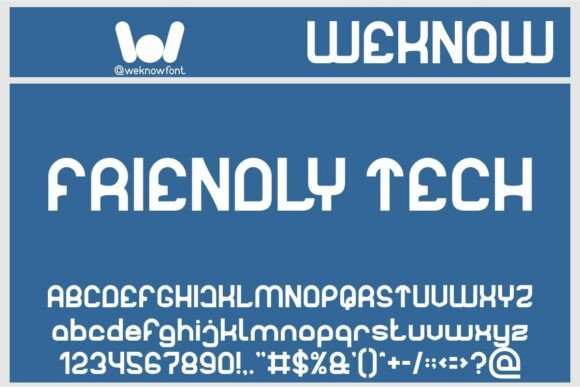
Friendly Tech is a distinctive sans-serif display typeface that bridges the gap between retro-futurism and contemporary design. It draws inspiration from space-age aesthetics while incorporating rounded, techno-geometric forms that feel both nostalgic and ahead of their time. This modular font is not just a typographic choice—it’s a deliberate design statement that can elevate the visual identity of brands, logos, and digital content.
Unlike many modern fonts that lean heavily into minimalism or stark geometric structures, Friendly Tech introduces a sense of warmth through its rounded edges. This subtle softness balances the otherwise sharp, futuristic appeal, making it versatile across a wide range of applications.
Key Features and Design Philosophy
At its core, Friendly Tech is built for impact. It’s a display font first and foremost, meaning it shines in headlines, branding materials, and visual media where readability at a glance is more important than extended body text legibility. The font’s modular construction allows for consistent rhythm and spacing, which is crucial for maintaining visual harmony in complex layouts.
- Rounded, techno-geometric letterforms
- Modular structure for visual consistency
- Rooted in retro-futuristic and space-age aesthetics
- Designed for high-impact display use
The font’s design language is especially appealing to those looking to communicate innovation, modernity, and a sense of approachability. It avoids the cold, clinical feel of many tech-oriented fonts by integrating subtle humanist touches—making it “friendly” without compromising its futuristic edge.
Practical Applications and Industry Fit
Friendly Tech finds a natural home in industries that thrive on visual impact and forward-thinking branding. It’s particularly well-suited for:
- Technology and Innovation Startups – Brands in emerging tech sectors can benefit from the font’s futuristic yet accessible appearance.
- Entertainment and Media – From movie titles to YouTube thumbnails, Friendly Tech adds a dynamic, cinematic flair.
- Gaming and Digital Content – The font’s energetic presence works well in game interfaces, promotional materials, and streaming graphics.
- Apparel and Lifestyle Brands – Especially those with a tech-inspired or streetwear aesthetic, where typography plays a key role in identity.
In editorial design, Friendly Tech can be used effectively in magazine covers, editorial headers, and book titles where a bold, expressive typeface is needed to draw attention without overwhelming the layout.
Usability and Performance Across Mediums
One of Friendly Tech’s strongest attributes is its adaptability. Whether used in print or digital formats, the font maintains a high level of clarity and visual impact. On digital platforms like Instagram, YouTube, and websites, it performs well in thumbnails, banners, and UI elements where legibility and style are both critical.
However, due to its stylized nature, Friendly Tech is best reserved for short-form text. It’s not ideal for long-form body copy where readability and eye comfort are paramount. Designers should also be mindful of its visual weight—using it at smaller sizes can diminish its character and lead to reduced legibility.
Quality and Consistency in Real-World Use
Friendly Tech demonstrates strong attention to typographic detail. Kerning pairs are well-adjusted, and the font maintains a consistent rhythm across different weights and sizes. Its modular design ensures that even at larger scales, letterforms remain crisp and balanced, making it an excellent choice for logos and logotypes that need to scale across various media.
From a technical standpoint, Friendly Tech is typically offered with a comprehensive character set, including support for international glyphs and special typographic features. This makes it suitable for global branding efforts where multilingual support is necessary.
Who Benefits Most from Friendly Tech?
Designers and brand strategists who are looking to inject a sense of modernity and playfulness into their visual identity will find Friendly Tech particularly valuable. It appeals to:
- Brand Identity Designers – For creating memorable logos and visual systems that stand out.
- UI/UX Professionals – Especially those working on digital products with a tech-forward or entertainment-based focus.
- Content Creators – Including YouTubers, podcasters, and social media influencers who want a consistent and stylish on-screen presence.
- Publishers and Editorial Designers – For striking covers and headlines that capture attention.
Entrepreneurs launching tech-related products or services can also benefit from Friendly Tech’s clean, modern look, especially when trying to convey innovation without alienating the audience with overly technical or cold aesthetics.
Considerations and Limitations
While Friendly Tech offers many strengths, it’s important to use it thoughtfully. Because of its stylistic nature, overuse can lead to visual fatigue or brand inconsistency if not balanced with more neutral typographic elements. It’s also not a one-size-fits-all solution—especially for projects requiring extensive body text usage.
Designers should also consider licensing options carefully. Like many premium display fonts, Friendly Tech may come with specific usage restrictions depending on the foundry or distributor. Always verify whether the license covers web use, app integration, or commercial branding applications.
Final Thoughts: Is Friendly Tech Right for Your Project?
Friendly Tech is more than a font—it’s a design tool that brings a unique blend of retro-futurism and modern clarity to the table. Its appeal lies in its ability to straddle the line between nostalgia and innovation, making it a compelling option for brands and creators aiming to stand out in visually saturated markets.
If your project calls for a bold, expressive typeface that communicates modernity with a touch of warmth, Friendly Tech is worth serious consideration. Used strategically, it can help define a visual identity that’s both current and memorable. However, like any design element, it should serve a clear purpose within your broader typographic system to ensure long-term effectiveness and brand coherence.