Dotmax: A Fresh Take on Digital Typography with a Playful Edge
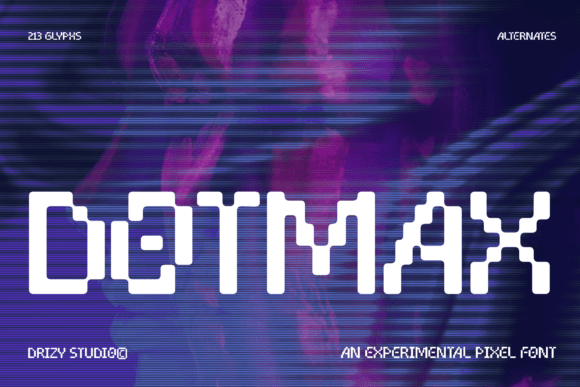
In the ever-evolving landscape of digital design, typography plays a crucial role in shaping how messages are perceived. One of the more intriguing developments in this space is the emergence of Dotmax – a typeface that blends the charm of pixel art with a modern, randomized aesthetic. Unlike traditional fonts that prioritize uniformity and clarity, Dotmax embraces a more abstract and artistic approach, using scattered pixel dots to form each character. The result is a font that feels both nostalgic and contemporary, perfect for creators looking to inject personality into their digital work.
The Rise of Glitch Aesthetics and Digital Nostalgia
The popularity of glitch art and retro-inspired design has surged in recent years, fueled by a growing appreciation for the imperfections and quirks of early digital media. This trend is evident across various creative fields, from graphic design and web development to music videos and fashion. Dotmax fits seamlessly into this movement, offering a visual style that evokes the look of low-resolution screens and early computer graphics while maintaining a fresh, modern edge.
Designers are increasingly drawn to fonts like Dotmax because they offer a way to stand out in an environment where minimalism and clean lines have dominated for years. The playful, slightly chaotic nature of the font makes it ideal for projects that aim to be bold, experimental, or just a little offbeat. Whether it’s used in a tech startup’s branding or a retro-themed poster, Dotmax helps communicate a sense of creativity and innovation without sacrificing readability.
How Dotmax Stands Out from the Crowd
What sets Dotmax – Random Pixel Font apart is its unique construction. Rather than relying on solid lines or curves, each character is built from a series of scattered pixel dots. This approach gives the font a distinctive texture and visual rhythm, making it ideal for projects that require a digital or futuristic flair. The randomness of the pixel arrangement also ensures that no two uses of the font look exactly alike, adding a layer of uniqueness to every design.
From a technical standpoint, Dotmax is highly versatile. It works well in both print and digital formats, and its pixel-based design ensures it scales cleanly without losing its character. Designers can use it for headlines, logos, UI elements, or even as part of animations. The font’s glitchy aesthetic also makes it a popular choice for video game developers looking to create a retro feel without resorting to overused 8-bit styles.
Applications in Modern Design Projects
One of the most exciting aspects of Dotmax is its adaptability across different creative domains. Here are a few practical applications where this font shines:
- Retro Gaming Interfaces: Pixel-based games often rely on fonts that mimic the look of early consoles. Dotmax offers a fresh alternative to standard 8-bit fonts, giving game titles and UI elements a more dynamic and unpredictable look.
- Tech and Innovation Branding: Startups and tech companies aiming to project a modern, forward-thinking image can use Dotmax to differentiate themselves. Its digital texture and glitch-inspired design communicate innovation and creativity.
- Poster and Event Design: Whether it’s a music festival or a tech conference, Dotmax adds a sense of energy and movement to event visuals. It pairs well with neon colors and geometric shapes for a futuristic aesthetic.
- Social Media and Digital Marketing: In a world where attention spans are short, using a unique font like Dotmax can help brands stand out. It’s particularly effective in digital ads, banners, and promotional graphics aimed at younger audiences.
Why Designers Are Turning to Unconventional Fonts
Typography is no longer just about legibility and professionalism. In today’s design landscape, it’s also about storytelling, emotional impact, and brand personality. This shift has led to a growing interest in unconventional typefaces like Dotmax, which offer more than just functional use. They provide a visual language that can evoke specific moods, eras, or cultural references.
Moreover, with the rise of digital platforms and self-publishing tools, designers have more freedom to experiment than ever before. Tools like Adobe Creative Cloud, Figma, and Canva allow for easy integration of custom fonts, making it simpler for creators to incorporate unique styles into their work. As a result, fonts like Dotmax are no longer niche but are becoming part of the mainstream design vocabulary.
Choosing the Right Context for Dotmax
While Dotmax is undeniably eye-catching, it’s best used in contexts where visual impact is more important than long-form readability. It’s not ideal for body text in articles or reports but works exceptionally well in titles, headers, and short bursts of text where you want to grab attention. For example, using Dotmax in a website’s hero section or as part of a mobile app’s splash screen can create a memorable first impression.
Designers should also consider pairing Dotmax with cleaner, more legible fonts to maintain balance. A common technique is to use Dotmax for headlines and a sans-serif font like Helvetica or Open Sans for supporting text. This contrast ensures that the design remains visually engaging without compromising usability.
The Future of Pixel-Inspired Typography
As digital design continues to evolve, we can expect to see more experimentation with pixel-based and glitch-inspired typography. Fonts like Dotmax represent a bridge between past and future – honoring the early days of computing while pushing the boundaries of what’s possible in modern design. With the increasing popularity of NFTs, digital art, and immersive experiences, the demand for unique, expressive fonts is only likely to grow.
Moreover, as AI tools and generative design become more accessible, we may see even more dynamic versions of pixel fonts that adapt in real time based on user interaction or environmental factors. Dotmax, with its randomized structure, is already a step in that direction, offering a glimpse into how typography can evolve beyond static forms.
Getting Started with Dotmax
If you’re interested in incorporating Dotmax into your next project, here are a few tips to help you get started:
- Experiment with Size and Spacing: Due to its pixel-based nature, Dotmax looks best when used at larger sizes. Pay attention to letter spacing to ensure readability.
- Use It Sparingly: Because of its visual complexity, it’s best to use Dotmax for short text rather than lengthy paragraphs.
- Pair with Complementary Colors: Neon blues, purples, and greens work well with Dotmax to enhance its digital aesthetic.
- Test Across Devices: Make sure the font displays correctly on different screens and resolutions, especially if you’re using it in a digital product.
Many design platforms now support custom fonts, making it easy to integrate Dotmax into your workflow. Whether you’re working on a personal project or a client deliverable, this font can add a touch of digital flair that sets your work apart.