Cute Comic: A Playful Display Font for Creative Projects
When it comes to choosing a display font that brings a sense of joy and whimsy to your design, Cute Comic stands out as a compelling option. Designed with a fun and bubbly aesthetic, this font is ideal for projects that aim to convey lightheartedness without sacrificing readability. Whether you're working on a children's book layout, a social media graphic, or a playful branding concept, Cute Comic offers a distinct visual tone that can elevate your creative work.
What Makes Cute Comic Unique?
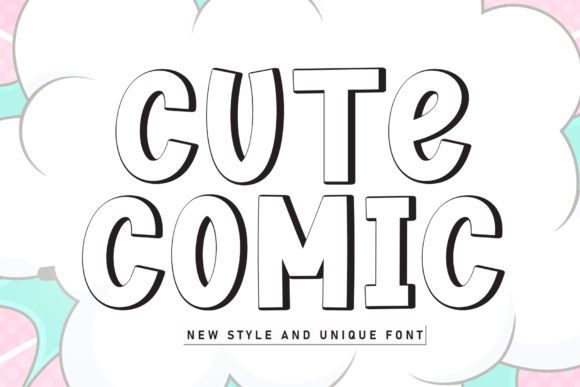
At first glance, the charm of Cute Comic lies in its rounded letterforms and soft edges. Unlike many standard sans-serif or serif fonts, this typeface embraces a cartoonish, hand-drawn quality that feels approachable and energetic. The spacing between characters is intentionally generous, enhancing legibility even at smaller sizes. This makes it more versatile than many decorative fonts that sacrifice clarity for style.
What sets Cute Comic apart from other playful fonts is its balance between personality and functionality. While some display fonts can feel overly exaggerated or difficult to integrate into cohesive designs, Cute Comic maintains a level of restraint that allows it to be used across a variety of media without overwhelming the layout.
Comparing Cute Comic with Similar Fonts
There are many fonts that aim to capture a fun or youthful tone, but not all achieve the same balance of charm and usability as Cute Comic. For example, some cartoon-style fonts lean heavily into exaggerated shapes, which can make them difficult to use in longer text blocks or in designs that require a more polished appearance.
- Comic Sans MS, a widely recognized font, shares some stylistic traits with Cute Comic but often lacks the refinement and typographic consistency found in the latter.
- Kids or KG Red Hands are other playful fonts that offer a similar tone but may not provide the same level of character spacing or kerning control.
- More structured playful fonts like Quicksand or Work Sans bring a modern, clean look but lack the whimsical appeal that Cute Comic delivers.
If you're looking for something that feels both fun and professional, Cute Comic strikes a middle ground that many alternatives don't quite reach.
Strengths and Best-Use Scenarios
One of the primary strengths of Cute Comic is its ability to convey a friendly and engaging tone. This makes it particularly well-suited for:
- Children’s media, including book covers, illustrations, and educational materials.
- Branding for businesses that target younger audiences or want to project a lighthearted brand identity.
- Social media content and digital marketing materials where approachability is key.
- Invitations or announcements for events with a casual, fun theme.
In these contexts, the font’s personality enhances the message rather than distracts from it. Its rounded edges and open spacing also make it easy to read on digital screens, which is an important consideration for web-based content creators.
Tradeoffs and Limitations
While Cute Comic brings a lot of personality to the table, it's not a one-size-fits-all solution. Because of its stylized appearance, it may not be appropriate for more formal or serious design projects. For example, using this font in a legal document or a corporate annual report would likely undermine the intended tone.
Additionally, while it works well for headlines and short text blocks, Cute Comic is not optimized for long-form body text. The playful nature of the font can become visually tiring over extended reading sessions, especially for audiences who expect a more traditional reading experience.
When Cute Comic Is the Right Choice
Selecting the right font depends on both the project and the audience. If your goal is to create a design that feels welcoming, youthful, and imaginative, Cute Comic can be an excellent fit. It pairs well with minimalist layouts, allowing the font to be the focal point without competing with other design elements.
Designers who are looking for a typeface that adds visual interest without veering into the overly ornate will appreciate how Cute Comic maintains a consistent rhythm and clear letterforms. It's also a good option for those who want to avoid the overused styles of other playful fonts while still maintaining a sense of fun and creativity.
When You Might Consider Alternatives
There are scenarios where another font may be more appropriate. If your project requires a more mature or sophisticated tone, you might consider more neutral display fonts like Montserrat or Poppins, which offer a modern look without the playful undertones.
For long-form content or academic use, traditional serif fonts such as Georgia or Times New Roman remain more readable and appropriate choices. Even among playful fonts, if you're looking for something that's more stylized or dramatic, you might explore options like Blackletter or Stencil fonts, which carry a different kind of visual weight.
Practical Examples and Real-World Use
To illustrate how Cute Comic performs in real-world applications, consider the following examples:
- A local bakery used Cute Comic in their Instagram posts and saw a noticeable increase in engagement, likely due to the font's friendly and approachable appearance.
- A children’s app developer integrated the font into their UI design, finding that young users responded positively to the rounded, easy-to-read characters.
- A teacher created a set of flashcards using Cute Comic and found that students were more engaged with the material compared to when traditional fonts were used.
These examples highlight how the font's visual appeal can translate into practical benefits across different mediums.
Making an Informed Decision
Choosing a font like Cute Comic should be based on both aesthetic preference and functional needs. It's important to consider how the font will be used, who the audience is, and what message you want to convey. If you're aiming for a design that feels energetic, inviting, and just a little whimsical, this font is worth serious consideration.
At the same time, always test the font in your specific design context. Preview it in different sizes, against various background colors, and in combination with other typography elements to ensure it complements your overall layout. By taking a thoughtful, user-centered approach, you can make the most of what Cute Comic has to offer without compromising on clarity or professionalism.